Shaping Tomorrow's Medicine with Science and Technology
At HKUST School of Medicine, we are cultivating a new generation of clinically excellent and technology-savvy doctors of the future, and advancing Hong Kong’s development as an international hub for medical training, research and innovation.
Shaping Tomorrow's Medicine with Science and Technology
At HKUST School of Medicine, we are cultivating a new generation of clinically excellent doctors, advancing patient-centered care, and innovating for health.

Prospective students -
4-year Graduate-Entry MBBS Program

We welcome individuals with a passion for medicine and serving their communities. Applications for our 4-year graduate-entry Bachelor of Medicine and Bachelor of Surgery (MBBS) program will open by 2027, with our inaugural class around 2028/29.
Admissions

Global Medical Excellence

Frequently Asked Questions

How will HKUST School of Medicine complement Hong Kong's existing medical schools?
  • We are dedicated to nurturing safe, competent, patient-centered doctors. As a new medical school focused on graduate-entry medical training, we have a wonderful opportunity to offer a fresh innovative MBBS program. This includes learning with cutting-edge technologies like AI in state-of-the-art facilities, along with early clinical attachments to enrich learning and practice. 
  • Medical students will be immersed in the unique technological, innovative and interdisciplinary culture of HKUST, cultivating them to be clinically excellent, technology-savvy, innovative, collaborative, and compassionate doctors.
What programs will be offered by the School of Medicine?
  • Our primary program will be a 4-year graduate-entry Bachelor of Medicine and Bachelor of Surgery (MBBS) degree. In time, we also plan to offer taught and research postgraduate programs in various medical and healthcare-related areas.
When will the School of Medicine admit its first students?
  • Preparations for the MBBS program are actively underway, with the aim of welcoming our founding class of around 50 students in the 2028/29 academic year.
Where is the School of Medicine located?
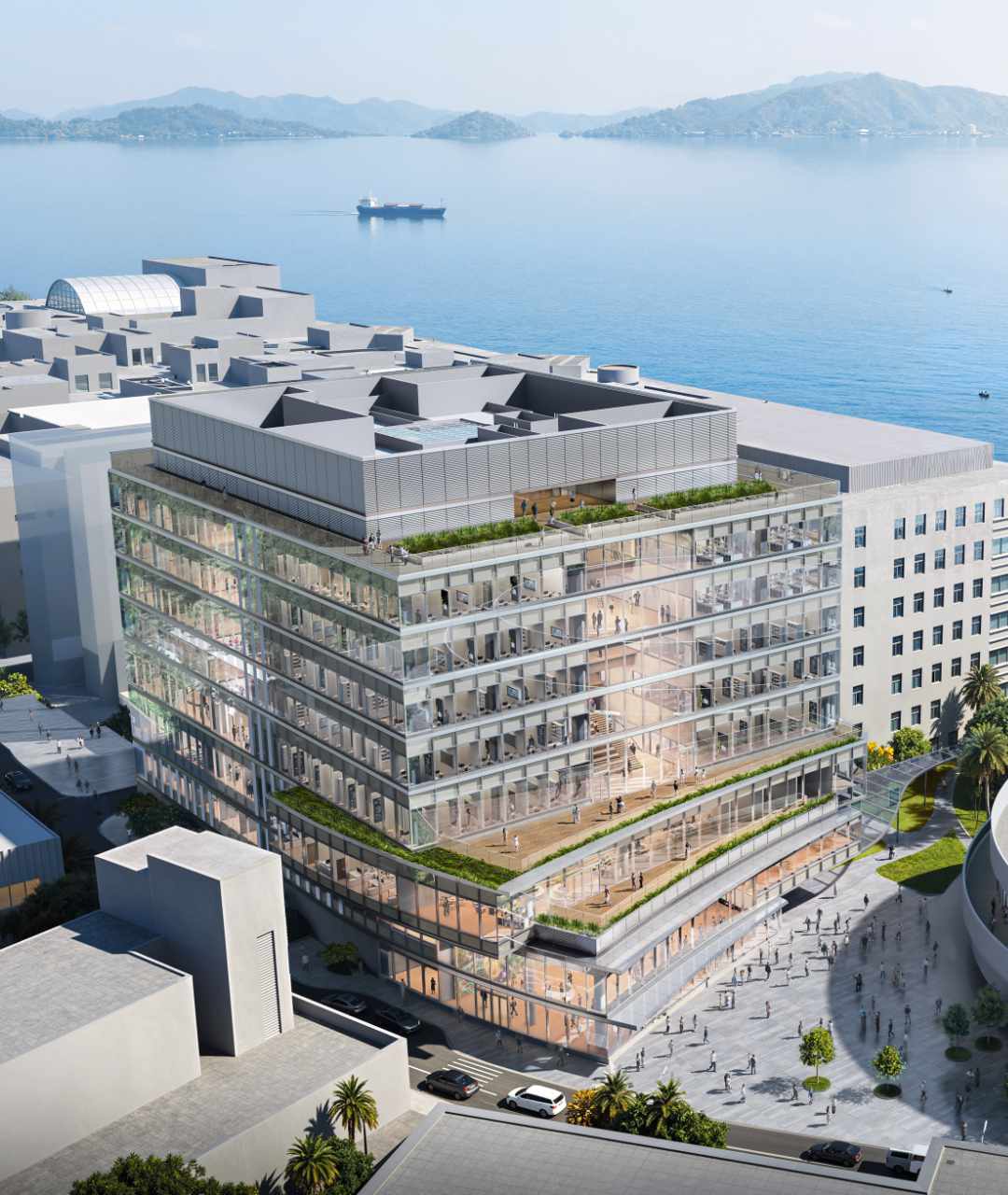
  • The School will initially operate in a dedicated new state-of-the-art medical teaching and research building at the University’s Clear Water Bay Campus, along with satellite site(s) close to a teaching hospital partner. In the longer term, as announced in the Policy Address of the Chief Executive of the HKSAR, the Government has set aside land within Hong Kong’s strategic Northern Metropolis for the development of the third medical school and an integrated medical teaching and research hospital.
What partnerships will the School of Medicine have with hospitals and healthcare providers?
  • HKUST has actively forged partnerships in clinical internships, curriculum design, talent development, academic exchanges, and joint research. The University has signed agreements with renowned medical schools, institutions, and hospitals from Hong Kong, the Chinese Mainland and overseas. We are planning for most clinical training to take place in Hong Kong, primarily within the public healthcare system.
What is the educational philosophy behind the School of Medicine’s curriculum?
  • HKUST School of Medicine is committed to training a new generation of technology‑savvy doctors who will strengthen the future readiness of Hong Kong’s healthcare system and advance Hong Kong’s development as an international hub for medical training, research, and innovation.

    Our curriculum is designed to nurture safe, competent, skilled, and compassionate physicians, equipping them with exemplary clinical abilities, critical thinking, and technological proficiency.

    Graduates will emerge as respected role models, distinguished by their professionalism, leadership, and dedication to ethical, humanistic, and patient‑centered care.
What are the distinguishing features of the School of Medicine’s graduate-entry MBBS program?
At HKUST School of Medicine, we are excited to harness cutting-edge technologies to build a vibrant, technology-enabled ecosystem. Our goal is to transform healthcare by being distinctively (i) technological; (ii) interdisciplinary; (iii) international; and (iv) translational.

Technological
Leveraging scientific and technological innovations.

Interdisciplinary
Preparing students for the complexities of modern medical practices and driving innovation through a cross-disciplinary approach.

International
Empowering a global perspective to become a leader in medical education with the highest international standards.

Translational
Addressing local health challenges and advancing impactful solutions, seamlessly integrating the research-to-impact pipeline.
How will you provide world-class teaching?
  • We are assembling a world-class, diverse, and highly accomplished faculty — spanning clinical and non-clinical disciplines to ensure outstanding medical education for our students. Along with a major global recruitment drive to attract leading international experts and top-tier talent, we are also appointing honorary and adjunct faculty from our clinical service partners.
Where will students gain hands-on clinical experience?
  • We are working towards a diverse network of clinical partners in both public and private healthcare organizations to provide valuable placement opportunities. We are working closely with the Government, the Medical Council of Hong Kong, the Hospital Authority, and wider medical sector to map out clinical training placements for the MBBS program.
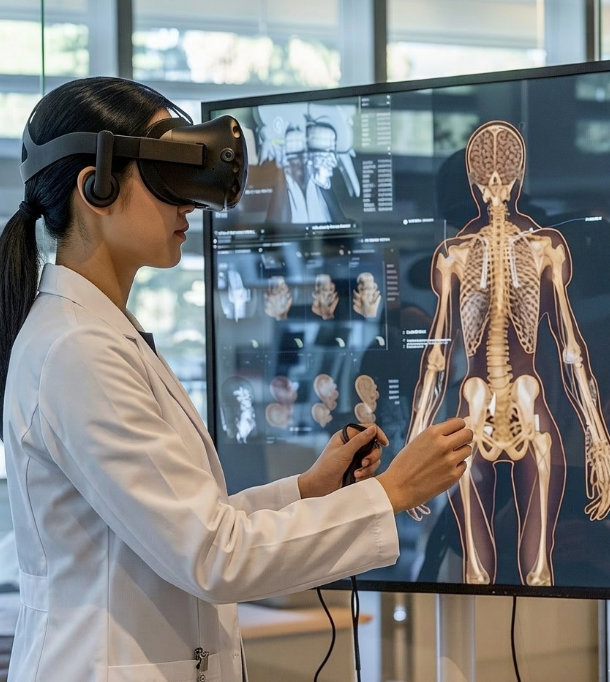
  • In addition, our medical school will be equipped with state-of-the-art teaching laboratories and simulation spaces. These resources will allow students to practice clinical scenarios, explore anatomy, and perform virtual procedures, enhancing hands-on learning and preparation for clinical rotations.
How will the School of Medicine ensure MBBS program quality and standards?
  • Like all medical schools, accreditation is crucial for our MBBS program, ensuring that we meet high standards necessary to prepare doctors for safe and competent practice. We will work closely with the Medical Council of Hong Kong for a thorough assessment process aimed at achieving accreditation of our medical curriculum.
What career support will be available for graduates of the MBBS program?
  • We will put in place a basket of measures to help make sure our graduates are well-prepared to embark on successful careers in medicine. Examples include pre-graduation workshops to advise on internship and career paths, along with resume writing, interview preparation, and career development information; mentorship from experienced clinicians; job placement assistance; and networking, professional development and engagement initiatives for alumni.
What type of students will the medical school be seeking?
  • We aim to admit high-caliber local and non-local graduate students who will thrive in our MBBS program and become successful clinicians. In addition to academic excellence and an understanding of a career in medicine, we look for students who display creativity, problem-solving skills, and a passion for improving lives through medicine. Effective communication, empathy, and a commitment to serving the local community are also essential qualities we value, along with diverse backgrounds and perspectives.
  • Initially, we will focus on applicants possessing or in their final year and expecting a honors degree in health sciences, biological sciences, or related fields from a leading university in Hong Kong or overseas to ensure a solid foundation for the MBBS program. As the program evolves, we may broaden the types of degrees we consider for admission.
What is the purpose of including the Medical College Admission Test (MCAT) / Graduate Medical School Admissions Test (GAMSAT) as part of the admissions selection process?
  • We have incorporated MCAT / GAMSAT into our admissions process to better predict academic success in our medical program. Many medical schools worldwide use these tests, and while we understand that academic ability is just one part of a successful medical career, these assessments help us gauge an applicant's readiness for the challenges of medical education. Using standardized exams ensures fairness and consistency in our applicant pool. Since there is not a GAMSAT testing center in Hong Kong, including both MCAT and GAMSAT provides diversity and flexibility for our candidates.
When will the Medical School’s admissions requirement and process be announced?
  • We are currently finalizing the admissions requirements for the MBBS program. Global admissions will open by 2027. Before then, we will keep this website updated with details about the admissions requirements and process.
How can prospective students stay informed about the application process?
  • Prospective students can register for updates, follow us on social media, and check back regularly on this website for the latest on the application process, key dates, and other important information.
Which research areas will HKUST School of Medicine prioritize?
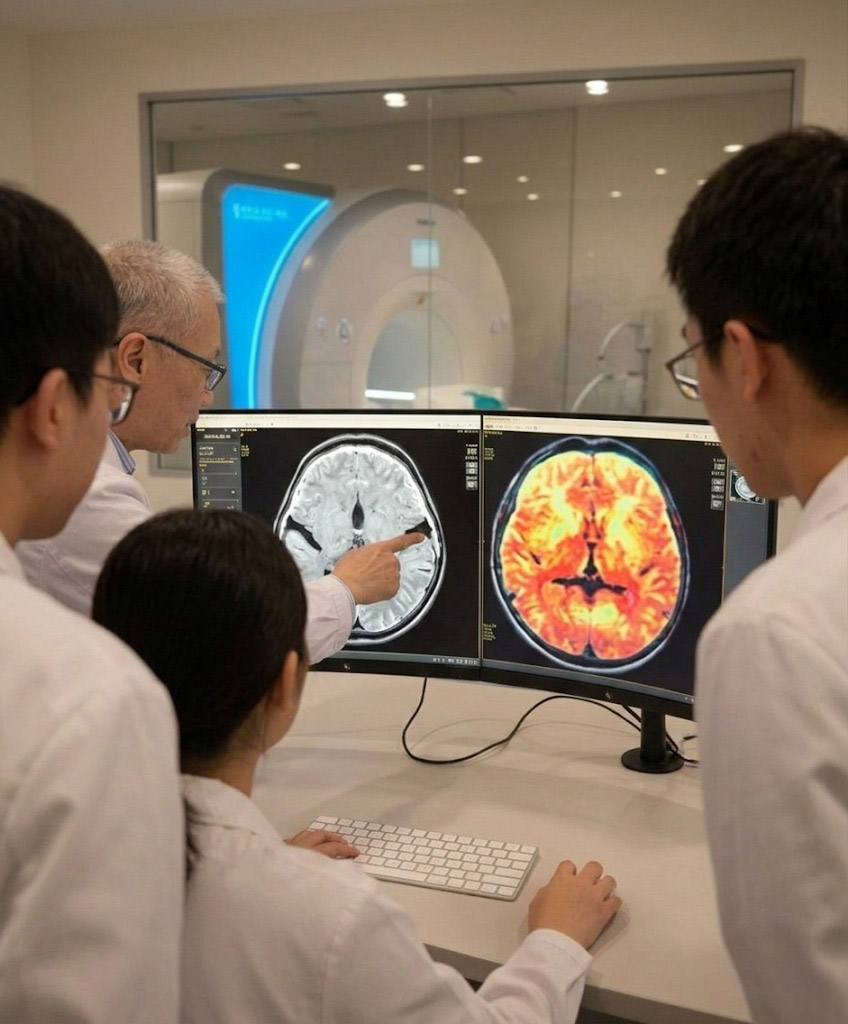
  • HKUST is proud to be a leader in various research fields, including neuroscience, precision medicine, stem cell biology, AI, data science, health technology and robotics. Building on our existing strengths, we aim to tackle pressing healthcare challenges and develop evidence-based practices that improve patient outcomes, focusing our research on areas that can transform medicine and healthcare delivery. This includes work in AI, medical imaging and robotics, brain and aging-related diseases, precision medicine, population health, and clinical trials to name a few — enhancing Hong Kong's reputation as a global hub for medical and health innovation.
What opportunities are there for medical students to get involved in research?
  • Students will have plenty of opportunities to dive into research. We plan to weave development of research skills throughout the MBBS program and encourage student participation in research projects and collaboration with faculty on innovative studies. The research experience in the program aims to enable our medical graduates to engage with research, answer questions that arise from their clinical practice and to introduce them to academic medicine. Those particularly interested in research could even pursue a research degree during the MBBS program.